Area Real Estate News & Market Trends

You’ll find our blog to be a wealth of information, covering everything from local market statistics and home values to community happenings. That’s because we care about the community and want to help you find your place in it. Please reach out if you have any questions at all. We’d love to talk with you!

March 19, 2026

LEED Certification and Green Building Standards Explained

LEED Certification and Green Building Standards Explained

LEED certification is one of the most recognized green building standards in the world, and it is quietly shaping how properties are built and evaluated today.

Developed by the U.S. Green Building Council, the LEED rating system measures how a building performs across areas like energy use, water efficiency, materials, and indoor air quality. According to the U.S. Department of Energy, improving building performance and energy efficiency plays a key role in reducing overall energy use in homes and commercial properties.

Understanding the LEED Rating System

Understanding the LEED Rating System

LEED certification is based on a point system. Projects meet certain requirements, then earn points across different categories.

The total determines the level:

  • Certified

This entry-level certification indicates that a building meets fundamental green building standards and has taken measurable steps toward improved efficiency and environmental performance.

  • Silver

This certification reflects a higher level of commitment, with stronger performance across multiple sustainability categories such as energy, water, and materials.

  • Gold

It represents a significant achievement, where a building performs well above standard requirements and demonstrates a comprehensive approach to sustainable design.

  • Platinum

This is the highest level of LEED certification, awarded to buildings that lead in sustainability, energy efficiency, and environmental responsibility at the most advanced level.

What makes this system practical is flexibility. A building does not need to do everything. It needs to do enough, in the right areas, to meet sustainable building standards.

LEED is used across residential homes, commercial buildings, and even entire neighborhoods. It also applies to existing properties that improve their systems over time, not just new construction.

What You Actually Notice in LEED Certified Buildings

On paper, LEED certification is about performance. In real life, it shows up in quieter ways.

You may notice:

  • more consistent indoor temperatures
  • better air quality
  • lower utility bills
  • systems that feel newer and more efficient

These are not dramatic features. Yet they tend to make a difference over time, especially for people planning to stay in a property for years.

Why LEED Certification Matters to Buyers

For many buyers, green building certification is not the first thing they ask about. Yet it often becomes relevant once they understand what it means.

Homes with LEED certification are usually designed with long-term efficiency in mind. That can translate into lower operating costs and a more comfortable living environment.

LEED-Certified Buildings in San Francisco

LEED-Certified Buildings in San Francisco - 181 Fremont

San Francisco continues to lead in sustainable building, with several properties meeting verified LEED certification standards and others designed with strong environmental considerations.

LEED Platinum certified
One of the city’s most advanced residential towers, built with a comprehensive approach to energy efficiency, materials, and long-term performance.

Associated with LEED for Neighborhood Development (LEED-ND)
Located in Mission Bay, a master-planned area focused on walkability, density, and reduced environmental impact.

Not tied to a single certification
Known for newer high-rise buildings that often incorporate energy-efficient systems and modern construction standards.

  • Salesforce Tower

LEED Platinum certified
A leading example of sustainable commercial development, reinforcing the city’s broader shift toward high-performance buildings.

What This Means for Buyers

  • more consistent indoor comfort
  • lower long-term operating costs
  • energy-efficient systems built into the property
  • a stronger focus on long-term livability, not just design

A Standard That Continues to Influence Real Estate

LEED has become a global framework for sustainable building. It is used across many countries and continues to influence how properties are designed and maintained.

For sellers and developers, it signals a level of thought and planning. For buyers, it offers a clearer way to understand how a property will perform beyond what is visible during a showing.

As sustainability becomes part of everyday decision-making, LEED certification is no longer a niche concept. It is becoming part of how quality is defined in real estate.

What This Looks Like in Real Life

Over the years, I have seen how buyers respond to homes that simply feel better the moment they walk in. They may not always know the term “LEED certification,” yet they notice when a space feels comfortable, efficient, and thoughtfully designed.

That tends to matter even more for long-term homeowners who are thinking about operating costs, quality of life, and how a property will perform over time. These are not surface-level features. They are part of how a home supports you day to day.

In San Francisco, I am seeing more interest in buildings and homes that reflect this kind of planning. Not as a trend, yet as a more practical way to live well in the years ahead.

If you are starting to think about your next move, whether that means downsizing, relocating, or exploring your options....

Let’s look at your situation and decide what the next step should be.

Book a 15-minute call or call me directly at (415) 412-1977.

Thinking About Buying or Selling in San Francisco?

Rebecca can answer your questions, share current listings and recent sales, and help you plan your next move.

Contact Rebecca  or call (415) 412-1977

March 19, 2026

Balancing Social Capital vs. Retirement Financial Freedom in SF

alancing Social Capital vs. Retirement Financial Freedom in SF

For many San Franciscans, a lifelong owned home is more than a real estate asset. They treat it as a repository of decades of memories, a hub for family gatherings, and a cornerstone of a long-established social network.

When the time comes to consider downsizing, the conversation often centers on "unlocking equity" or "reducing maintenance."

However, the true challenge of downsizing isn't just logistical—it's emotional. It requires weighing Financial Freedom (the ability to fund your desired lifestyle) against Social Capital (the community, relationships, and sense of belonging tied to your current address).

Understanding Social Capital in Retirement

Understanding Social Capital in Retirement

"Social capital" refers to the value of your social networks. For a retiree, this includes the neighbor who checks on your mail, the local barista who knows your order, and the proximity to friends you’ve known for thirty years.

The Risks of "Relocation Stress"

Research into aging often highlights Relocation Stress Syndrome (RSS)—a cluster of symptoms including anxiety, confusion, and loneliness that can occur when an older adult moves.

  • Loss of Routine: Simple habits, like walking to a specific park or attending a local community board meeting, are disrupted.
  • Proximity to Support: Moving even 20 minutes away can significantly decrease the frequency of "casual" visits from friends and family.
  • Identity Shift: For many, their home is a reflection of their identity. Leaving it can feel like closing a major chapter of one's life prematurely.

The "Legacy vs. Stuff" Dilemma

Downsizing is often stalled because of the "burden of belongings." Seniors worry about what will happen to the heirlooms their children might not want.

What you can do:

  • Use "Swedish Death Cleaning" or "Legacy Planning": Learn how to digitize memories (photos/letters) and host "Legacy Parties" where family members take what they want now rather than later.
  • Learn practical tips on "right-sizing" the physical burden so it doesn't become an emotional barrier to moving.

Is it time to stay or go? Deciding to move is a massive emotional hurdle.

Check out these neighborhoods!

The Financial Freedom Equation

The Financial Freedom Equation

While the emotional costs are high, the financial benefits of downsizing—especially in a high-value market like San Francisco—can be transformative.

Unlocking "Dead" Equity

If you’ve owned your SF home for 20+ years, you likely have significant equity that is "dead"—meaning it isn't working for you.

  • Cash Flow vs. Net Worth: You may be "house rich but cash poor." Selling a $2M home and buying a $1.2M condo frees up $800,000 (minus fees) that can be invested to generate monthly income.
  • The Tax Advantage: Under current tax laws, married couples can often exclude up to $500,000 in capital gains from the sale of a primary residence ($250,000 for individuals).

Reducing "Hidden" Carrying Costs

A larger, older home in SF carries ongoing costs that erode retirement savings:

  • Property Taxes & Insurance: These continue to rise, often outpacing Social Security COLAs.
  • The "Maintenance Monster": Roof repairs, seismic retrofitting, and landscaping for a large lot can cost tens of thousands annually.

The Property Tax Lifeline

In San Francisco, many seniors are "tax-locked." Homeowners want to move, but their current property tax (based on 1980s prices) is so low that moving to a smaller condo would actually increase their monthly taxes.

The catch:

  • Proposition 19, which allows homeowners over 55 to transfer their low property tax base to a new home anywhere in California, up to three times.
  • Buy a more expensive home and only pay the tax difference, rather than the full market rate. This should be your single biggest financial motivator for your SF downsizing goals.

Could Prop 19 save you thousands? Don’t guess on your property tax bill.

I can provide a Tax Basis Analysis for your current home and your potential new neighborhood so you know your exact "net" monthly savings. Schedule an appointment now!

Strategies for a "Soft Landing"

Strategies for a "Soft Landing"

You don't have to choose exclusively between your money and your friends. Strategic downsizing allows you to preserve both.

1. The "Rightsizing" Approach

Instead of moving to a different city, look for a smaller, modern unit within the same 5-mile radius. This preserves your "Social Capital" (you can still go to the same grocery store) while achieving "Financial Freedom" (lower utility bills and no yard work).

2. The "Trial Run"

Before selling, consider renting a small apartment or condo in your target neighborhood for three months. This "test drive" helps you see if the loss of space is offset by the gain in lifestyle flexibility.

The Multi-Generational "Middle Ground" (ADUs and TICs)

Not every downsizing story ends in a condo. San Francisco’s new zoning laws offer a third path.

  • Talk about ADUs (Accessory Dwelling Units) or converting a family home into a TIC (Tenancy in Common).
  • Alternately, propose a "reverse downsize"—where the you move into a new cottage in the backyard while your adult children occupy the main house. This preserves "Social Capital" while providing "Financial Freedom" through shared expenses.

Not sure if you're ready to let go? Call me at (415) 412-1977 so I can help evaluate your emotional and financial readiness.

The Role of Social Communities (CCRCs and 55+)

Moving to a Continuing Care Retirement Community (CCRC) or an active 55+ neighborhood is often seen as "giving up independence," but it can actually be an investment in new social capital.

  • Built-in Socializing: These communities offer fitness centers, hobby groups, and communal dining that fight the isolation common in large, empty family homes.
  • Peace of Mind: Professional maintenance and on-site medical support reduce the "cognitive load" of aging, allowing you to focus on relationships rather than repairs.

Decision Matrix: Social Capital vs. Financial Freedom

Decision Matrix: Social Capital vs. Financial Freedom

Conclusion: Finding Your "Enough"

Downsizing isn't about loss; it's about optimization. It’s about ensuring that the final third of your life is defined by experiences and people, rather than the maintenance of a building that no longer serves your daily needs.

When you weigh social capital against financial freedom, the goal is to find the point where your bank account gives you the freedom to travel and live comfortably, without sacrificing the human connections that make life worth living.

Ready to explore your options without the pressure of a "For Sale" sign? Request a "Retirement Lifestyle Audit."

We’ll sit down together to look at your current home’s value, your estimated closing costs, and a "Social Mapping" of your neighborhood to see if a local move makes sense for you.

Schedule Your Lifestyle Audit. Text me at (415) 412-1977 Now!

Thinking About Buying or Selling in San Francisco?

Rebecca can answer your questions, share current listings and recent sales, and help you plan your next move.

Contact Rebecca  or call (415) 412-1977

March 13, 2026

Living Near Culture: San Francisco Lifestyle Real Estate

Living Near Culture: San Francisco Lifestyle Real Estate

San Francisco lifestyle real estate is becoming one of the most important considerations for homeowners who are deciding whether to stay, downsize, or reposition within the city.

For many long-time residents, the decision is no longer just about the home itself. It is about access. Access to music, art, dining, and the kind of experiences that make San Francisco feel like San Francisco.

What I am seeing right now is a quiet shift.

People are not leaving the city. They are simply moving closer to what matters.

That shift often begins with clarity around timing, lifestyle, and location.

👉 Retirement downsizing in San Francisco: luxury condos and relocation guide

A Cultural Life That Is Very Much Alive

A Cultural Life That Is Very Much Alive

Photo courtesy of Rebecca White

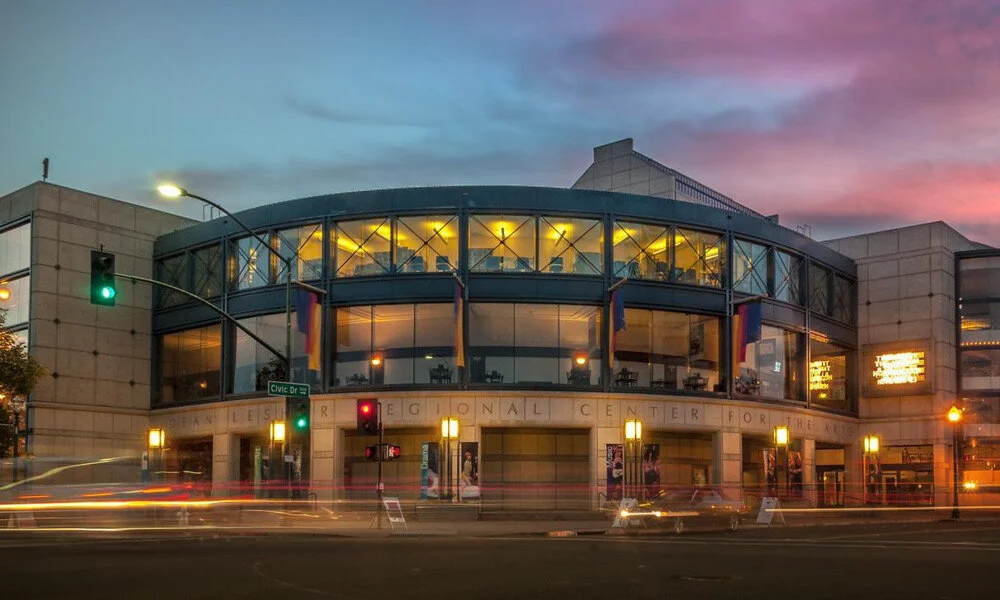
San Francisco’s cultural institutions never disappeared. Yet over the past couple of years, they have come back into full stride. Evenings at the opera, performances at the symphony, and exhibitions at SFMOMA are once again part of many residents’ regular routines.

These are not occasional outings for many of my clients. They are part of their weekly or monthly rhythm. Subscriptions, opening nights, donor events. It becomes part of how they structure their time.

And that matters when choosing where to live.

Living Near Culture Changes Your Day-to-Day Life

There is a meaningful difference between planning an evening out and simply walking to it.

Neighborhoods like Pacific Heights, Nob Hill, and areas near the Civic Center place you within easy reach of the city’s cultural core. No parking strategy. No timing stress. You step outside, and you are there.

That level of ease often becomes the deciding factor for buyers entering their next chapter. Many begin by exploring the types of homes that support this kind of lifestyle, particularly luxury condominiums located near San Francisco’s cultural core.

Dining, Wine, and Evenings That Flow Naturally

Evening at Davies Symphony Hall in San Francisco’s Civic Center

Cultural living here is not limited to theaters and museums. It carries naturally into dining and the social spaces where people gather.

Evenings unfold in a way that feels effortless. A performance might lead to dinner, or a gallery opening might turn into a long, unhurried conversation over wine.

Places like Gary Danko and Boulevard have long been part of that experience. When you live nearby, it all feels less like planning and more like simply enjoying your life.

Homes That Support Entertaining and Connection

For many homeowners, especially those who have been in the city for decades, the home becomes a gathering place.

I often see clients hosting:

  • Small dinners before the opera
  • Post-performance drinks
  • Intimate fundraisers or board gatherings
  • Wine evenings with close friends

In these situations, the home is not just private space. It becomes a setting for connection.

That is an important distinction.

Why This Still Supports Long-Term Property Value

Homes near established cultural institutions tend to hold their desirability over time. Not because of trends, yet because of consistency.

  • The opera, symphony, and major museums are long-standing anchors
  • Cultural districts attract buyers who value lifestyle and continuity
  • Walkability to venues, dining, and social spaces adds daily convenience
  • Established neighborhoods with history tend to maintain steady demand

These are often affluent buyers thinking long-term, not reacting to short-term shifts.

This kind of long-term demand is reflected in San Francisco real estate market trends.

A More Thoughtful Way to Approach Downsizing

For many of my clients, moving is not about giving something up.

It is about refining how they live.

Instead of maintaining a larger home farther from activity, they choose a property that brings them closer to their interests, their community, and the experiences they value most.

That shift often feels like an upgrade in lifestyle, even if the home itself is smaller.

The SF Seller’s Timeline Checklist: 90-Day Plan is a clear starting point.

Contact me directly at (415) 412-1977, or schedule a 15-minute call to discuss your next steps.

Thinking About Buying or Selling in San Francisco?

Rebecca can answer your questions, share current listings and recent sales, and help you plan your next move.

Contact Rebecca  or call (415) 412-1977

March 12, 2026

The Equity Jackpot: Your 2026 SF Downsizing Wealth Multiplier

The Equity Jackpot: Your 2026 SF Downsizing Wealth Multiplier

The 2026 San Francisco Housing Pivot

San Francisco homeowners have been "House Rich but Cash Constrained" for the last decade. As we move into 2026, a unique economic alignment has created a rare "exit ramp" for long-time residents.

With the AI-driven IPO boom fueling luxury demand in the city, single-family home prices in neighborhoods like Noe Valley and Pacific Heights have hit new peaks.

Considering a move to the East Bay, Marin, or beyond? 2026 isn't just about moving—everything seems to be about the Wealth Multiplier.

This guide breaks down exactly how to extract your equity and turn it into a self-sustaining retirement or a debt-free lifestyle.

The Wealth Multiplier: SF Equity vs. Suburban Growth

The Equity Jackpot: Your 2026 SF Downsizing Wealth Multiplier

The core of the "Equity Jackpot" is geographical arbitrage. As of early 2026, the median price for a detached home in San Francisco has climbed 12.5% year-over-year, while suburban markets like Walnut Creek and San Rafael have seen more moderate, sustainable growth.

If you’re thinking about how to port SF tax basis to another county, I got you covered.

The 2026 "Swap" Math

  • Selling in SF: A typical 3-bedroom Victorian in the Mission or Inner Sunset now commands between $2.2M and $2.8M.
  • Buying in the Suburbs: A comparable (or larger) luxury home in a top-tier East Bay neighborhood ranges from $1.4M to $1.8M.
  • The Jackpot: This creates a $1 Million "Liquidity Event"—cash that can be moved into high-yield investments, used to purchase a second home, or to fund a private retirement.

Prop 19 Explained: The 2026 "Tax Shield"

The most powerful tool in your 2026 arsenal is California Proposition 19. If you are 55 or older, you no longer have to fear the "Property Tax Jump."

How it Works in 2026: You can sell your SF home and port your original tax basis to anywhere in California.

  • The Lifetime Benefit: You can now use California tax transfer 55+ up to three times.
  • The Value Rule: You can buy a more expensive home. If you sell for $2M and buy for $2.5M, you only pay the "new" tax rate on the $500k difference, while your original low basis stays intact on the first $2M.

Case Study:

*A couple sells their Noe Valley home (assessed at $400k) for $3M. They buy a $2.5M estate in Walnut Creek. Without Prop 19, their new tax bill would be ~$30,000. With it, it remains closer to $5,000. Over 20 years, that is $500,000 in tax savings.

*If an SF homeowner sells for $2.5M and buys in Marin for $3M, they don't lose their tax benefit. They just pay a "blended" rate.

The Example: * Old SF Basis: $500,000

  • Difference in Price: $500,000 ($3M - $2.5M)
  • New Taxable Basis: $1,000,000 (Still a massive win over the standard $3M assessment!)

Unsure of the math? Curious about your Prop 19 Basis Forecast? Text me at (415) 412-1977 to learn about your personalized savings.

Breaking the "Golden Handcuffs" (3% Rates vs. Prop 19)

Many sellers are still clinging to 3% mortgage rates from 2021. However, in 2026, the Total Cost of Ownership shift proves that staying put might be more expensive than moving.

The Equity Jackpot: Your 2026 SF Downsizing Wealth Multiplier

Call me at (415) 412-1977 so I Can Calculate Your 2026 Equity Jackpot. It’s Better to Find Out Exactly How It Looks Like in Today’s Market!

The "15-Minute Suburb" Lifestyle Comparison

Modern SF expats don't want "boring" suburbs; they want "Urban-Suburban Fusion." We compare the top 2026 destinations:

Walnut Creek: The "Secondary City"

Walnut Creek has perfected the "15-minute city" model.

  • Walkability: Broadway Plaza offers world-class dining (like Va de Vi or Sasa) within walking distance of modern luxury condos.
  • The Vibe: Sunny, safe, and sophisticated. It’s the "Noe Valley" of the East Bay.

The Equity Jackpot: Your 2026 SF Downsizing Wealth Multiplier

San Rafael & Marin: The "Coastal Calm"

For those who want proximity to the redwoods and world-class healthcare, San Rafael is the 2026 winner.

  • The Multiplier: Your SF equity buys a lot size 3x larger than anything in the city, providing the "Indoor-Outdoor" lifestyle that SF fog often prevents.

San Francisco is currently seeing its most "feverish" market since 2019. While the "Doom Loop" narrative has faded, a massive wave of Baby Boomers is preparing to downsize simultaneously.

Selling now captures the peak of AI-driven luxury demand before the suburban market becomes "oversupplied" by other downsizing 55+ adults in late 2026 and 2027.

The "Insurance Desert" Audit

In 2026, a home is only worth what a carrier will insure. Before you sell, you must perform an Insurability Audit on your destination.

  • The Risk: Some East Bay hills are now "FAIR Plan" only zones.
  • The Strategy: We prioritize "Bedrock" neighborhoods that maintain standard carrier eligibility, ensuring your new home appreciates 10–15% faster than high-risk alternatives.

Conclusion: From "House Rich" to "Life Wealthy"

The "Equity Jackpot" is a fleeting window. As interest rates settle further in 2026, more sellers will enter the market, potentially diluting the scarcity of your SF home. Acting now allows you to be the "Cash King" in your next destination.

Ready to trade your 'Golden Handcuffs' for a lifestyle dividend?

Book My 15-Minute Strategy Call with Rebecca!

Thinking About Buying or Selling in San Francisco?

Rebecca can answer your questions, share current listings and recent sales, and help you plan your next move.

Contact Rebecca  or call (415) 412-1977

March 10, 2026

How to Turn Your SF Home into a Confident Legacy and Not a Tax Headache

How to Turn Your SF Home into a Confident Legacy and Not a Tax Headache

For many San Francisco homeowners, the "family headquarters" isn't just where you raised your children—it’s the single largest asset in your portfolio. If you purchased your home in the 90s or early 2000s, you are likely sitting on millions in unrealized gains.

While that appreciation is a testament to your investment, it often brings a quiet anxiety: "If I sell now, will the tax bite devour my retirement? Or should I just 'die-in-place' to save my heirs the trouble?"

In 2026, navigating this decision requires more than just a real estate agent; it requires a strategic view of how capital gains, estate laws, and legacy planning intersect.

The "Stay-Put Penalty": Why Older Owners Are Locked In

The federal capital gains exclusion—capped at $250,000 for individuals and $500,000 for married couples—has not been adjusted for inflation since 1997.

  • The Reality Gap: In ultra-prime SF neighborhoods where homes have appreciated by $2M, $3M, or even $5M, the standard exclusion barely scratches the surface.
  • The Lock-In Effect: Many affluent Boomers feel "trapped." Selling a home for $4M with a $500k cost basis could result in a federal and state tax bill exceeding $800,000. This "tax friction" is the primary reason many legacy homes in the Marina or Noe Valley never hit the market.

Ready to Move from "Family HQ" to Your Next Luxury Haven?

Whether you’re looking to utilize a Prop 19 tax basis transfer or maximize a stepped-up basis for your heirs, find an expert who specializes in the strategic transitions of San Francisco’s legacy homeowners.

Book a Confidential Strategy Session with Rebecca

Strategies to Reduce the Tax Bite

Before you resign yourself to the "die-in-place" strategy, consider these 2026 tactical maneuvers to protect your equity:

  • Maximize Your Adjusted Basis: Most owners forget to track capital improvements over 30 years. New roofs, kitchen remodels, and even high-end landscaping increase your "basis," which directly lowers your taxable gain.
  • Timing the Sale: If you are a surviving spouse, you generally have two years from the date of death to sell the home and still claim the full $500,000 married exclusion.
  • Coordinate with Estate Caps: In 2026, the federal estate tax exemption sits at an unprecedented $15 million per person (index-adjusted). For most SF families, the concern isn't the Estate Tax, but the Capital Gains Tax. Selling during your lifetime may make sense if you plan to use the proceeds for a Prop 19 tax basis transfer to a smaller, more manageable home.

The "Die-In-Place" Advantage: The Stepped-Up Basis

The most powerful tool for legacy planning remains the Stepped-Up Basis.

  • How it Works: If you hold your home until your passing, your heirs "inherit" the property at its current fair market value on the date of death, rather than your original 1990s purchase price.
  • The Financial Impact: If your children inherit a $4M home with a "stepped-up" basis of $4M, they can sell it immediately with zero capital gains tax. This effectively wipes out decades of tax liability in a single generational transfer.
  • The "Double Step-Up": In community property states like California, married couples may qualify for a "double step-up," resetting the basis for the entire property upon the death of the first spouse.

Framework: Is the Home a Generational Asset or a Burden?

Choosing between selling now and holding for the stepped-up basis is a lifestyle vs. legacy decision.

How to Turn Your SF Home into a Confident Legacy and Not a Tax Headache

Final Thought: Planning for a Confident Legacy

Your home should be your greatest source of freedom, not a tax-induced prison. Whether you choose to capture your gains now to fund a new chapter in Marin or hold the property as a tax-free gift for your children, the decision should be made with a full view of your 2026 wealth-preservation options.

Don't let tax friction keep you from your next chapter. Call me at (415) 412-1977 so we can talk about how capital gains and Prop 19 intersect for your specific neighborhood.

Thinking About Buying or Selling in San Francisco?

Rebecca can answer your questions, share current listings and recent sales, and help you plan your next move.

Contact Rebecca  or call (415) 412-1977

March 6, 2026

How to Convert San Francisco Real Estate Equity into Retirement Income

How to Convert Home Equity to Income: Smart Strategies for San Francisco Homeowners

Many long-time San Francisco homeowners begin looking for ways to convert home equity to income as they approach retirement. After decades of strong appreciation, it is common for homes to be worth far more than when they were first purchased. Yet that value often sits quietly in the background without producing income.

For Baby Boomers in particular, real estate often represents the largest asset in their financial portfolio. Turning that value into usable income can help support travel, lifestyle changes, or long-term financial stability. For Baby Boomers in particular, real estate often represents the largest asset in their financial portfolio. Turning that value into usable income can help support travel, lifestyle changes, or long-term financial stability. Many long-time property owners begin this transition by e xploring downsizing strategies and retirement housing options designed for Baby Boomers.

San Francisco is a unique market. Limited housing supply and strong demand have created substantial equity for many property owners. With the right real estate equity strategy, that value can become a meaningful source of retirement income rather than remaining locked inside a property.

To understand where your home fits within the broader market, you can explore current values across San Francisco neighborhoods here.

What Does It Mean to Convert Home Equity to Income?

What Does It Mean to Convert Home Equity to Income?

Many people want to convert home equity to income as they approach retirement. In simple terms, it means using the value built in a property to generate cash flow.

Some people sell and reinvest the proceeds. Others purchase rental property or invest in real estate funds. Downsizing is another option that can free up capital while reducing housing expenses.

Each of these approaches allows accumulated property value to support retirement or long-term financial planning.

Four Ways to Convert Home Equity to Income

People typically rely on one or more of these strategies when unlocking the value of their home:

  1. Downsizing and investing the remaining equity
  2. Purchasing rental property to generate monthly income
  3. Investing in real estate investment trusts (REITs)
  4. Diversifying investments after selling a home

The right approach depends on financial goals, lifestyle plans, and risk tolerance.

Why San Francisco Properties Often Hold Significant Equity

Real estate values in San Francisco have grown steadily for decades.

Many people purchased their homes in the 1980s, 1990s, or early 2000s when prices were significantly lower. As the city grew and housing supply remained limited, property values increased dramatically.

Several factors contributed to this appreciation:

• long-term ownership

• limited housing inventory

• strong demand for San Francisco real estate

Research from the National Association of Realtors shows that homeownership remains one of the most important drivers of household wealth in the United States.

In cities like San Francisco, decades of appreciation have created substantial housing wealth that often becomes the largest asset in retirement planning. The challenge is that equity sitting inside a home does not automatically create income. Turning that value into financial support requires a thoughtful plan.

Strategy One: Downsizing to Unlock Equity

Strategy One: Downsizing to Unlock Equity

Downsizing remains one of the simplest ways to convert home equity to income.

In this approach, a larger property is sold and replaced with a smaller home or condominium. The difference between the two values releases capital that can be invested or used to support retirement.

Downsizing often provides lifestyle benefits as well. Smaller homes typically require less maintenance and may reduce expenses such as insurance, utilities, and upkeep.

Possible advantages include:

• freeing up investment capital

• lowering monthly housing costs

• simplifying long-term home maintenance

Pro Tip

Downsizing decisions often involve both financial planning and lifestyle choices. Reviewing a clear roadmap before making a move can help you evaluate housing options more confidently. The San Francisco Downsizing Matrix: Practical Steps and Action Plan outlines the key steps involved in planning a smooth transition.

👉 Request a Copy of the Downsizing Matrix

Strategy Two: Investing Equity to Generate Income

Another option involves reinvesting property equity into income-producing investments. Some investors choose rental property. A duplex, small apartment building, or rental home can generate monthly income while continuing to benefit from long-term appreciation.

Others prefer a more passive approach through Real Estate Investment Trusts, often known as REITs. These investment vehicles allow individuals to own shares in portfolios of commercial real estate such as apartment communities, office buildings, or logistics facilities.

This strategy focuses on turning home equity into passive income without the responsibilities of managing tenants or maintaining property.

Potential benefits include:

• consistent income potential

• diversification across multiple properties

• professional management of assets

Tax and Financial Considerations

Before implementing any plan, it is important to understand the potential tax implications.

Many people qualify for the federal capital gains exclusion when selling a primary residence. Married couples may exclude up to five hundred thousand dollars in gains if certain conditions are met.

California residents may also benefit from property tax transfer opportunities under Proposition 19. This rule allows eligible homeowners age fifty-five and older to transfer their property tax base when purchasing another home within the state.

Understanding how to use home equity for retirement often involves reviewing these tax rules carefully.

If you’re considering a move, the Prop 19 Playbook: Lock in Your Low Tax Rate can help you understand how these tax rules may apply.

You can request the Prop 19 Playbook before making a decision.

How Baby Boomers Are Using Real Estate Equity

Across the country, many Baby Boomers are beginning to rely on housing wealth as part of their retirement strategy.

Real estate can serve as both a place to live and a long-term investment. Over time, appreciation creates financial flexibility that can support lifestyle changes and retirement planning.

Common approaches include:

• downsizing to release capital

• investing in income-producing real estate

• diversifying investments after selling a property

In the Bay Area, decades of appreciation have created opportunities that previous generations rarely experienced. With the right planning, property equity can become a meaningful source of financial security.

Curious how your home equity could support your retirement plans?

Schedule a quick 15-minute conversation to explore the options available for your situation.

Frequently Asked Questions

Can you convert home equity to income without selling?

Yes. Income may be generated by renting part of a property, using a home equity loan, refinancing, or investing in income-producing assets. The best option depends on personal financial goals and risk tolerance.

What is the safest way to use home equity for retirement?

The safest strategy depends on individual circumstances. Many retirees prefer diversified investments that provide steady income while protecting long-term capital.

What should you do with equity after selling a home?

Some people reinvest the proceeds into diversified portfolios, rental property, or other investments designed to generate reliable long-term income.

Can you use home equity without selling your house?

Yes, it is possible to convert home equity to income without selling a property. Some homeowners generate income by renting part of their home, using a home equity line of credit, refinancing, or investing in income-producing assets. The best strategy depends on retirement goals, risk tolerance, and long-term financial plans.

Turning Real Estate Equity Into Financial Security

For many San Francisco households, a home represents the most valuable financial asset they own, and understanding how to use that equity can shape retirement decisions.

With careful planning, it is possible to convert home equity to income and create a strategy that supports retirement and long-term financial stability.

Downsizing, investing in income-producing assets, or diversifying investments are all potential paths forward. The best approach depends on personal goals, lifestyle plans, and financial priorities.

Ready to explore ways to convert home equity into income or plan your next move?

Call me at 📞 415-412-1977 and let's start the conversation.

Thinking About Buying or Selling in San Francisco?

Rebecca can answer your questions, share current listings and recent sales, and help you plan your next move.

Contact Rebecca  or call (415) 412-1977

March 5, 2026

Condos vs. Single-Family Homes: Annual RE Cost Comparison in San Francisco

Condos vs. Single-Family Homes: Annual RE Cost Comparison in San Francisco

Choosing between a luxury high-rise and a detached single-family home in San Francisco is often framed as a "lifestyle" choice: a view of the Bay versus a private garden in Noe Valley. However, in 2026, the financial delta between these two paths has widened significantly.

With single-family home (SFH) inventory at record lows and luxury condo supply stabilizing, the "real" cost of ownership involves much more than the sticker price. This guide breaks down the 10-year financial outlook for both, including the impact of California’s Proposition 19 and the hidden "stealth" costs of home maintenance.

Curious how your current equity translates to the 2026 market?

Call me at (415) 412-1977 so we can calculate your trade-up potential.

The Purchase Price Paradox (2026 Data)

Condos vs. Single-Family Homes: Annual RE Cost Comparison in San Francisco
As of early 2026, the San Francisco market has split into two distinct tracks:

  • Single-Family Homes: The median price for an SFH has climbed roughly 12.5% year-over-year. Because land is finite, these properties are currently selling at a staggering 14.2% above asking price on average.
  • Luxury Condos: While rebounding, condos are up only 1.3% citywide. Median condo pricing is currently hovering around 2018-2019 levels, making them a relatively "discounted" entry point for those prioritizing urban luxury.

The "Buying Premium"

In San Francisco, the cost of buying is currently roughly three times greater than renting. For long-term planners, this means your "break-even" point relies heavily on appreciation and tax efficiency rather than monthly cash flow.

The Great Debate: HOA Fees vs. "Stealth" Maintenance

The most common objection to condo living is the monthly HOA fee. However, for a single-family home, the "fee" is simply invisible until something breaks.

Strategic Insight for 2026

In the current market, San Francisco single-family homes are appreciating at roughly 12.5% year-over-year, while condos have remained relatively flat (+1.3%). This means that while a condo is more "predictable" for a monthly home maintenance budget, a house remains the stronger vehicle for raw equity growth.

Condos vs. Single-Family Homes: Annual RE Cost Comparison in San Francisco

The Condo Model (Predictable)

In buildings like Lumina or the St. Regis, HOA dues in 2026 range from $1,200 to $3,500+ per month.

  • What it covers: 24/7 security, master insurance, earthquake insurance (often included in major towers), water, trash, and elite amenities.
  • The 2026 Reality: Between 2019 and 2024, SF HOA fees rose roughly 26% due to skyrocketing insurance premiums and new state laws (like SB 326) requiring regular balcony inspections.

The SFH Model (Unpredictable)

Financial planners recommend setting aside 1% to 3% of a home’s value annually for maintenance.

  • The Math: On a $2.5M home in Pacific Heights, that is $25,000 to $75,000 per year.
  • The "Victorian Tax": San Francisco's historic homes require specific upkeep—seismic retrofitting, foundation work, and specialized painting—that can easily exceed a decade of condo HOA fees in a single year.

Prop 19: Your Retirement Game-Changer

Condos vs. Single-Family Homes: Annual RE Cost Comparison in San Francisco

For retirees over 55, California Proposition 19 is the most powerful tool in the arsenal. It allows you to sell your long-held family home and transfer your low property tax basis to a new primary residence anywhere in California.

Example: If you bought a home in 1995 and paid taxes on a $400,000 valuation, you can move to a $2.5M condo at the St. Regis and keep that base (with a small adjustment if the new home is more expensive).

  • The Impact: This can save you $20,000+ per year in property taxes, effectively "paying" for your HOA dues.

Don't leave money on the table. Call me at (415) 412-1977 to learn how much you could save in a 2026 relocation.

Appreciation and Resale: The 10-Year Outlook

Historically, land appreciates while buildings depreciate. * SFH Advantage: Because a single-family home includes the land, it has historically outperformed condos in capital appreciation. In high-demand pockets like Noe Valley or District 7, the scarcity of land creates a "price floor" that condos—which are airspace—don't always have.

  • Condo Advantage: Condos offer better liquidity in the rental market. If you decide to travel for a year, a luxury condo is far easier to rent as a high-end corporate executive suite than a massive detached house.

Insurance: The Invisible Cost Driver

In 2026, insurance is no longer a "small" line item.

  • Condos: You only need a "walls-in" (HO-6) policy, which is relatively affordable because the HOA’s master policy covers the structure.
  • SFH: Homeowners are facing 40% premium hikes. Many carriers have left California, leaving owners to rely on the California FAIR Plan, which can be significantly more expensive.

Checklist: Which Financial Model Fits Your 2026?

Condos vs. Single-Family Homes: Annual RE Cost Comparison in San Francisco

Conclusion: Making the Move

In the 2026 San Francisco market, a condo is often the "smarter" cash-flow play for retirees, while a single-family home remains the superior "wealth-accumulation" play for those looking to leave a legacy.

Thinking about making the switch?

Get a Personalized Cost-Benefit Analysis

Book my 15-Minute Strategy Session to get an idea about your current home’s value, your Prop 19 eligibility, and the 2026 inventory to see which path secures your financial future.

Frequently Asked Questions

Q. Is a "Lock-and-Leave" lifestyle really more secure than my current home?

A. While no home is 100% impenetrable, luxury buildings like Lumina and St. Regis offer 24/7 lobby staffing, encrypted elevator access (you can only go to your floor). These buildings have constant monitoring of common areas. This feature eliminates the need for house-sitters or the worry of package theft and maintenance emergencies.

Q. Are these buildings "age-restricted" or 55+ communities?

A. While these are "all-ages" luxury buildings, they are highly popular with retirees because the amenities—elevators, wide hallways, valet parking, and on-site security—naturally support "aging in place." You get the benefits of a senior-living environment without the restrictive social environment.

Q. I’m moving from a 4-bedroom house. Where will my guests stay?

A. Most of these top-tier buildings (including The Palms and Lumina) offer private guest suites that residents can rent for a nominal fee. It’s like having a hotel room for your grandkids right in your building, meaning you don't have to pay for (or clean!) a third bedroom that only gets used twice a year.

Q. How far are these buildings from top-tier healthcare?

A. Lumina & The Palms are less than 1.5 miles from the UCSF Mission Bay campus (ranked #1 in California for several specialties). The St. Regis is centrally located for quick access to CPMC Van Ness and major downtown specialists.

Q. What exactly does the HOA fee cover that my home insurance doesn't?

A. It covers the Master Insurance Policy for the building's structure, 24/7 security/concierge staff, maintenance of all luxury amenities (pools/gyms), water, trash, and—most importantly—the Reserve Fund. This fund ensures that major costs like roof repairs or elevator upgrades are handled by the association, not through a sudden $50,000 bill to you.

Q. Can I bring my dog?

A. San Francisco is a dog city, and most of these buildings allow pets. Lumina even features a pet grooming station on-site. The Embarcadero and nearby Rincon Hill Dog Park offer excellent walkable routes for active dogs and their owners.

Q. Can I still use my Prop 19 tax benefit if I move into a condo?

A. As long as you are at least 55 years old, you can transfer the tax basis of your primary residence to your new condo. This can save you tens of thousands of dollars in property taxes annually, making the move financially advantageous as well as lifestyle-driven.

Thinking About Buying or Selling in San Francisco?

Rebecca can answer your questions, share current listings and recent sales, and help you plan your next move.

Contact Rebecca  or call (415) 412-1977

Posted in Buying a Home
March 4, 2026

San Francisco Safety Trends in 2026: Crime Is Declining

What the Latest San Francisco Crime Data Shows

San Francisco Safety Trends in 2026: Crime Is Declining

Recent crime statistics indicate that San Francisco safety trends in 2026 are moving in a positive direction, with several major crime categories declining during the past year. Overall incidents dropped noticeably, while car break-ins and several violent crime categories also decreased.

That progress matters to both homeowners and buyers. Declining crime can strengthen neighborhood stability and support long-term property values, especially when paired with modern home security upgrades.

Understanding these trends helps propert owners decide how to protect their property and whether the current environment may be a good time to prepare a home for sale.

According to data published by the San Francisco Police Department, several crime categories declined during 2025. The department’s public crime dashboard shows that overall reported incidents dropped by nearly thirty percent compared with the previous year. Property crimes, which historically account for most incidents in the city, also decreased.

Car break-ins saw one of the most notable changes. Reported incidents declined sharply and reached levels not seen in more than two decades. The issue has not disappeared completely, yet the trend points in a positive direction.

Several major crime categories declining during the past year reflects broader shifts happening across the city, which can also influence San Francisco real estate trends.

Violent crime also declined during the year. Homicide rates reached some of the lowest levels recorded in decades. Officials attribute the improvement to targeted enforcement, better investigative technology, and stronger coordination between city and state agencies.

🎯Key Takeaways: San Francisco Safety Trends

  • Overall crime in San Francisco declined significantly in 2026.
  • Car break-ins dropped to some of the lowest levels recorded in more than two decades.
  • Cameras and license plate readers are helping investigators identify suspects and vehicles tied to crimes.
  • Many homeowners are installing smart doorbells, alarm systems, and exterior lighting.
  • Security upgrades can reassure buyers and make a home easier to sell.

How Technology Is Changing Public Safety in San Francisco

How Technology Is Changing Public Safety in San Francisco

Technology now plays a growing role in how cities prevent and investigate crime. San Francisco law enforcement uses tools such as surveillance cameras, license plate readers, and digital crime mapping to support daily operations.

License plate recognition systems help investigators identify vehicles linked to criminal activity. Cameras installed in key areas also document incidents and provide evidence that can support investigations.

These tools do not replace traditional policing. Instead, they help officers respond more quickly and identify patterns that might otherwise go unnoticed.

Security Upgrades Smart Homeowners Are Installing

More San Francisco residents are adding security systems to their properties. Many of these systems can be monitored through a phone, allowing residents to check activity even when they are away from home.

Several upgrades appear frequently in homes across the city:

The infographic below highlights some of the most common security features homeowners are installing to protect their properties and monitor activity around their homes.

Security Upgrades Smart Homeowners Are Installing

When used together, cameras, lighting, and alarms create multiple layers of protection. Properties with visible security features are often less appealing targets for opportunistic theft.

Some sellers also review home improvement tips for San Francisco homes to determine which upgrades may be worth completing before listing a property.

Do Security Upgrades Increase Home Value?

Visible security features can influence how buyers feel about a property. A smart doorbell, exterior cameras, or modern lighting often signal that a home has been well cared for. That sense of attention to detail can make buyers feel more comfortable moving forward.

Buyer expectations have also shifted in recent years. Many people now expect at least some smart home technology. Integrated alarm systems, smart doorbells, and motion-activated lighting are common in urban listings. Homes without these features can sometimes feel slightly outdated by comparison.

Pro Tip for Sellers

Security upgrades alone rarely increase a home's price by themselves. Yet they can remove hesitation during the buying process. When buyers feel confident about a property’s safety and upkeep, they are often more willing to act quickly and compete.

Preparing Your Home for Sale? Security Upgrades Can Help

Homeowners preparing to sell often focus on cosmetic improvements, yet security upgrades can also make a positive impression. Features such as smart doorbells, exterior lighting, and modern alarm systems signal that a property has been carefully maintained.

Many buyers today expect at least some level of smart home technology. A well placed camera, motion-activated lighting, or a monitored alarm system can help buyers feel more comfortable when visiting or considering a property.

Security improvements rarely increase a home's price on their own. They can, however, reduce hesitation during the decision process. When buyers feel confident about the safety and upkeep of a property, it often becomes easier for them to move forward with an offer.

Sellers planning a move may also find it helpful to explore resources related to selling a home in San Francisco before bringing their property to market.

What These Safety Trends Mean for San Francisco Homeowners

San Francisco safety trends in 2026 show encouraging progress. Several major crime categories declined during the past year, and new technology is helping law enforcement respond more quickly to incidents.

These improvements can bring greater peace of mind to residents. Neighborhoods that feel stable and well monitored often attract stronger interest from buyers.

Simple security upgrades can reinforce that confidence. Smart lighting, doorbell cameras, and clear entryways help show that a property has been carefully maintained.

Planning to Sell Your San Francisco Home?

Most home sellers in San Francisco start thinking about timing, security upgrades, and prep work several months before listing. Getting ahead of those steps tends to make the process smoother.

To see what that timeline looks like, request access to the SF Seller's Timeline Checklist: 90-Day Action Plan.

👉 Request access to the SF Seller's Timeline Checklist

Frequently Asked Questions

Is San Francisco getting safer?

Recent crime statistics show that several major categories of crime declined during 2025. Improvements in enforcement strategies, investigative technology, and coordination between local and state agencies have contributed to this downward trend.

Does San Francisco have a high crime rate?

San Francisco has historically reported higher levels of property crime than some cities, particularly related to car break-ins. Recent data, however, shows meaningful reductions across several categories. These shifts can also influence San Francisco real estate market trends, especially when buyers evaluate neighborhood stability.

Is it safe to walk around San Francisco at night?

Many residential neighborhoods remain active and comfortable in the evening. As with any large city, staying aware of surroundings and taking basic precautions can help people move around the city with greater confidence.

What security upgrades increase home value?

Common upgrades include smart doorbell cameras, integrated alarm systems, motion activated lighting, and controlled entry systems. These improvements do not usually increase a home's value directly, yet they can strengthen buyer confidence and make a property easier to sell.

Why are San Francisco safety trends improving in 2026?

Several factors are contributing to improved safety trends in San Francisco. Expanded use of technology, targeted enforcement strategies, and improved coordination between agencies have helped reduce several categories of crime during the past year.

What These Safety Trends Could Mean for Your Home

San Francisco safety trends in 2026 indicate encouraging progress across several major crime categories. Declining crime rates, improved technology, and stronger coordination between agencies are helping create neighborhoods that feel more stable and better monitored than in recent years.

Homeowners who combine these broader improvements with practical security upgrades may benefit the most. Simple measures such as smart lighting, cameras, and clear sightlines around entryways can strengthen buyer confidence and help a property stand out when it enters the market.

Thinking about selling your San Francisco home?

Safety trends, market timing, and property preparation can all influence how successfully a home sells. Understanding how these factors work together can help local residents make more confident decisions. If you would like guidance tailored to your situation, a short conversation can help clarify your options.

👉 Schedule a consultation, or call (415) 412-1977.

Thinking About Buying or Selling in San Francisco?

Rebecca can answer your questions, share current listings and recent sales, and help you plan your next move.

Contact Rebecca  or call (415) 412-1977

March 3, 2026

Relocating to Walnut Creek vs Marin: Upscale Urbanity vs Outdoor Adventure

Relocating to Walnut Creek vs Marin: Upscale Urbanity vs Outdoor Adventure

Marin County map from Sarah Norcross on Pinterest / Walnut Creek map from bestneighborhood.org

You’ve spent decades building a life in your San Francisco home, but now that the papers are signed, a new question arises: Where to next?

You aren't just moving; you're evolving. You're likely looking for a community that trades city maintenance for the amenities and freedom that active retirees deserve.

If you're weighing your options, here is a side-by-side look at two of Northern California’s most coveted lifestyles: Walnut Creek and Marin, both regarded as among the best places to retire near SF.

Whether you crave the sophisticated, walkable energy or the rugged, refined tranquility, here is how these two iconic locations, when relocating near San Francisco, stack up for the active, discerning adult.

Why Walnut Creek and Marin County Rule 2026

For decades, the "exit" from San Francisco led straight to the Peninsula. But in 2026, the trend has shifted. Discerning homeowners are now looking North to the lush canyons of Marin County and East to the sunny, sophisticated hub of Walnut Creek.

The Neighborhood Vibe Comparison Guide

Relocating to Walnut Creek vs Marin: Upscale Urbanity vs Outdoor Adventure

The 2026 Market Landscape: Value vs. Scarcity

In 2026, the price gap between the North Bay and East Bay remains significant, reflecting the distinct types of inventory available.

Relocating to Walnut Creek vs Marin: Upscale Urbanity vs Outdoor Adventure

Walnut Creek: Offers a mix of modern 1950s ranch homes, massive luxury estates in Northgate, and high-end downtown condos. In 2026, the median home price here is approximately $1.4M–$1.8M. You get significantly more "house per dollar" and often a private pool.

Relocating to Walnut Creek vs Marin: Upscale Urbanity vs Outdoor Adventure

Marin County: Property here is a blue-chip asset. In 2026, inventory in towns like Mill Valley and Ross is at historic lows. Prices for 3-bedroom detached Marin County luxury homes often start at $2.5M. You are paying for the proximity to the coast and some of the most resilient real estate values in the world.

The Commute: BART vs. The Ferry

In 2026, the "Hybrid Work" model is the standard for San Francisco professionals.

Although people who are interested in relocating to any of these two distinct areas in San Francisco have their own vehicles, there is still a chance that somebody might use one of these transit links.

Relocating to Walnut Creek vs Marin: Upscale Urbanity vs Outdoor Adventure

The Walnut Creek Commute: The yellow BART line is the backbone of the East Bay. A ride from Walnut Creek to Montgomery Street takes about 38 minutes. For drivers, the Hwy 24/Caldecott Tunnel route is reliable but heavy during Tuesday–Thursday peaks.

Relocating to Walnut Creek vs Marin: Upscale Urbanity vs Outdoor Adventure

The Marin Commute: This is widely considered the "most scenic commute in America." Many residents in Larkspur or Tiburon take the Golden Gate Ferry, arriving at the SF Ferry Building in 30–40 minutes with a coffee and a view of Alcatraz.

Let me show you the best properties on the best streets near BART or the Ferry terminals.

Lifestyle: Mediterranean Sun vs. Coastal Fog

This is where the "vibe" choice becomes personal.

Walnut Creek: The "Secondary City"

Walnut Creek feels like a mini-metropolis. It has become the "Secondary City" of the Bay Area. With the expansion of the Broadway Plaza shopping district and a thriving 55+ community at Rossmoor, it offers a "big city" lifestyle without the congestion of downtown SF.

Relocating to Walnut Creek vs Marin: Upscale Urbanity vs Outdoor Adventure

Dining & Shopping: Broadway Plaza rivals Union Square for luxury retail (Apple, Neiman Marcus, Tesla).

Climate: It is consistently 10–15 degrees warmer than San Francisco. If you want "outdoor living" with a pool, this is your destination.

Local Favorites:

  • The Ruth Bancroft Garden: A world-class 3.5-acre dry garden perfect for landscaping inspiration.
  • The Iron Horse Trail: Miles of flat, paved paths for quiet morning bike rides.

Marin County: Nature’s Playground

The county maintains its reputation of being the pinnacle of North Bay prestige and ideal for those who want to be in the mountains by 5:00 PM. In 2026, inventory remains incredibly tight, making Marin real estate one of the most resilient assets for long-term wealth preservation.

Relocating to Walnut Creek vs Marin: Upscale Urbanity vs Outdoor Adventure

Access: You are minutes from Muir Woods, Stinson Beach, and Mt. Tamalpais.

Vibe: It skews more "relaxed luxury." You’ll see more Teslas with surfboard racks than Ferraris in downtown Mill Valley.

Best Kept Secrets:

  • Black Sands Beach: A stunning, secluded spot in the Marin Headlands.
  • Andy’s Market BBQ: A San Rafael staple that serves some of the best low-key BBQ in the Bay Area.

The 2026 Retirement Angle: Rossmoor vs. Sausalito

Both destinations have specialized appeal for those utilizing Prop 19 to downsize.

Rossmoor (Walnut Creek)

Relocating to Walnut Creek vs Marin: Upscale Urbanity vs Outdoor Adventure

This is a premier 55+ gated community with over 6,000 homes. It offers its own golf course, three pools, and 200+ clubs. It is the gold standard for active retirement in the East Bay.

Sausalito/Tiburon

Relocating to Walnut Creek vs Marin: Upscale Urbanity vs Outdoor Adventure

These locations offer "vertical" retirement and waterfront luxury apartments. Luxury condos overlooking the harbor are perfect for retirees who want to walk to dinner and have zero yard maintenance while remaining connected to the city via the ferry.

Financial Analysis: Taxes and Insurance

Insurance is a 2026 reality.

Fire Risk & Insurance: Many hillside properties are located in 'Very High Fire Hazard Severity Zones,' which has made securing traditional homeowners insurance increasingly complex. With many hillside homes now facing non-renewals or shifting to the California FAIR Plan, I help buyers navigate these insurance hurdles—securing quotes and verifying insurability—before they even make an offer.

Navigating the insurance landscape is only half the battle; the other half is ensuring your move is as tax-efficient as possible. This is where Proposition 19 becomes your most powerful tool for relocation.

Tax Basis: Both counties are welcoming to Prop 19 transfers. Moving your $800k tax basis from a $4M San Francisco house to a $2M Walnut Creek estate is a common 2026 wealth-preservation move. While generally easier to insure, homes bordering Mt. Diablo State Park require specific defensible space audits.

Book a Call to Get a 2026 Insurance Risk Audit for Your Home

What is a Defensible Space Audit?

In 2026, California law (AB-38) requires sellers in High Fire Hazard Zones to provide documentation that their property is "fire-ready." An inspector from CAL FIRE or your local fire district will walk the property to ensure it meets these specific zone requirements:

1. Zone 0: The "Ember-Resistant" Zone (0–5 feet)

This is the most critical 2026 update. The goal is to prevent wind-blown embers from igniting the home itself.

  • No "Fuel": You cannot have mulch, bark, or dry woodchips against the house.
  • Hardscaping: Ideally, this zone consists of gravel, pavers, or concrete.
  • Vegetation: No bushes, climbing vines, or branches should touch or overhang the structure.
  • Attachments: Decks and fences must be clear of debris underneath.

2. Zone 1: The "Lean, Clean, and Green" Zone (5–30 feet)

This zone acts as a buffer to slow a fire's path.

  • Separation: Plants and trees should be spaced out so fire cannot "jump" from one to the next.
  • Maintenance: All dead leaves, needles, and branches must be removed from the ground and the roof/gutters.
  • Chimney Safety: Trees must be trimmed to be at least 10 feet away from chimney outlets.

3. Zone 2: The "Reduced Fuel" Zone (30–100 feet)

This area is designed to decrease the intensity of an approaching fire.

  • Mowing: Annual grasses must be cut down to a maximum of 4 inches.
  • Limbing: Tree branches should be "limbed up" (pruned) at least 6 to 10 feet from the ground to prevent "ladder fires" from climbing into the canopy.
  • Wood Piles: Firewood must be moved into this zone (at least 30 feet from the house) and cleared of all surrounding vegetation.

Conclusion: Which is Right for You?

For many relocating from San Francisco, the goal is "forever home" status. Marin is famous for sprawling mid-century modern single-level homes (Eichlers) that are perfect for aging in place. Newer developments in Walnut Creek prioritize "Universal Design," featuring master suites on the main floor, saving you from a $100k elevator retrofit later.

Therefore, choosing between Walnut Creek and Marin isn't about which is "better"—it's about which matches your 2026 vision. If you crave warmth and modern retail, Walnut Creek is your winner. If you want coastal fog, elite privacy, and redwood trails, Marin is calling.

Ready to find your suburban sanctuary?

Call me at (415) 412-1977 to discuss which neighborhood fits your family's 2026 goals.

Thinking About Buying or Selling in San Francisco?

Rebecca can answer your questions, share current listings and recent sales, and help you plan your next move.

Contact Rebecca  or call (415) 412-1977

Feb. 26, 2026

San Francisco Spring Real Estate Market 2026: The March Advantage

San Francisco Spring Real Estate Market 2026: What Sellers Should Know Before the Rush

March should be viewed as a month of strategic positioning for anyone planning a move, especially now that the San Francisco spring real estate market 2026 is starting to gain momentum. This is the month to position your home to sell!

Every year, sellers assume the “spring market” begins when listings flood the MLS in April. In reality, serious buyers are already watching inventory by late February. Well-prepared homes that enter the market early often face less direct competition, attract focused buyers, and set the tone for pricing in their segment.

If you are thinking about selling in 2026, understanding how the San Francisco spring cycle works can give you a measurable advantage.

When Does the Spring Real Estate Market Start in San Francisco?

In the Bay Area, market activity often starts building in late winter and early spring, with many sellers aiming for April and May.

Historically:

  • Buyer activity increases as daylight hours extend
  • New listing activity often increases in April and May compared with the winter months.
  • Competition often intensifies as spring progresses, especially once more buyers and listings are active at the same time.
  • Multiple offers are more likely for well-priced, well-presented single-family homes as spring demand increases.

National housing data consistently show that real estate activity follows predictable seasonal patterns, with contract activity typically strengthening in the spring months compared with winter. According to the National Association of Realtors, pending home sales and transaction volumes often reflect this seasonal shift as the market moves from late winter into spring.

By April, many motivated buyers have already been tracking new listings and touring homes for several weeks. That means sellers who wait until “peak spring” may enter a crowded field rather than a clear runway.

For many sellers, March can be a smart window to finalize preparation and choose a launch date before the market gets busier.

Why March is the Best Month to Prep Your San Francisco Home for Sale

Why March is the Best Month to Prep Your San Francisco Home for Sale

The difference between preparing in March and preparing in April is often the difference between planned execution and rushed decision-making.

In a competitive spring housing market in San Francisco, preparation impacts:

• Pricing confidence

• Showing quality

• Photography and marketing presentation

• Buyer perception of care and maintenance

Homes that feel thoughtful and intentional tend to attract stronger early interest than homes that appear rushed.

For Baby Boomers who have owned their homes for decades, small presentation adjustments can dramatically shift how a property is perceived in today’s market.

Inventory Trends and Buyer Psychology in Spring

Low inventory does not automatically mean easy sales. It means selective buyers.

Spring Market Timing Comparison

Market PhaseTypical Characteristics
Early Spring (March) • Buyers are often highly motivated
• Many are pre-approved and financially ready
• Compensation and hiring trends may influence purchasing timing
• Many buyers show preference for turnkey condition
Late Spring (April–May) • Inventory often increases
• Buyers compare more properties side by side
• Negotiation leverage can shift depending on supply and demand

That is why early strategic entry matters. It is not about rushing. It is about sequencing.

How Early Preparation Impacts Sale Price

Preparation is not just cosmetic. Minor repairs can be completed beforehand to garner a better price.

Buyers assign value based on:

• Visual space and light

• Perceived maintenance

• Updated systems

• Emotional comfort--they can see themselves living in the home

Decluttering, light staging, and strategic repairs help buyers imagine living in the space without distraction.

If you plan to list in April or May, March is the month to:

• Assess deferred maintenance

• Edit personal items

• Schedule contractors before they are fully booked

• Organize inspections

• Create a marketing timeline

👉 For a detailed, room-by-room action plan, see my San Francisco Spring Home Preparation Checklist

This guide walks you through practical steps while keeping the process manageable.

Is March Too Early to Prepare?

Many homeowners ask whether March is too early.

In San Francisco, it rarely is.

Preparation often takes longer than expected. Scheduling painters, landscapers, stagers, and inspectors becomes more difficult as spring advances. The most experienced professionals are typically booked first.

March preparation allows you to:

• Move thoughtfully instead of reactively

• Review pricing strategy calmly

• Align timing with your next move

• Avoid unnecessary price adjustments later

Strategic timing reduces stress and preserves leverage.

A Simple March Strategy for San Francisco Sellers

If selling this spring is even a possibility, here is a practical approach:

A Simple March Strategy for San Francisco Sellers

If you are downsizing, relocating, or transitioning into retirement, this timeline becomes even more important. Thoughtful sequencing protects equity and simplifies logistics.

To go deeper, you may want to explore:

• SF Retirement Downsizing: Maximum Profit in 90 Days

• Timeline for Selling High-End SF Homes | 2025 Guide

These resources complement spring positioning and help you evaluate your options.

A major lifestyle transition deserves more than guesswork.

The SF Seller’s Timeline Checklist: 90-Day Action Plan gives homeowners a clear framework for sequencing preparation, inspections, pricing strategy, and launch timing before the market becomes more competitive.

👉 Request access to the 90-Day Action Plan and position your home strategically before the spring rush accelerates.

Frequently Asked Questions

When does the spring real estate market start in San Francisco?

In San Francisco, spring market activity often begins building in late February and March, with the highest volume of new listings typically arriving in April and May. Buyers often start touring earlier than most sellers expect.

Is March too early to prepare my San Francisco home for sale?

Usually, no. March can be an ideal month to plan, schedule vendors, and complete key prep work before contractor calendars fill up and more listings hit the market.

Do more homes go on the market in spring in San Francisco?

Yes. Spring is commonly the busiest season for new listings. More inventory can bring more buyers, but it also means more competition for sellers.

What should I do first if I want to list in spring?

Start with a pricing conversation and a walk-through focused on buyer expectations. Then create a simple preparation timeline so you can tackle repairs, decluttering, and presentation without rushing.

Does decluttering really matter when selling a home in San Francisco?

Yes. Decluttering helps rooms feel larger, brighter, and easier to imagine living in. In a photo-driven market, visual space can directly affect buyer interest and showing momentum.

How far in advance should I start preparing if I want to list in April or May?

A good rule is to start planning four to eight weeks ahead, depending on the home’s condition and how much you want to do. If you need painting, flooring, staging, or landscaping, earlier is usually better.

The Bottom Line for The March 2026 Advantage

The San Francisco spring real estate market 2026 will likely remain competitive for well-prepared single-family homes, especially in established neighborhoods such as the Richmond, Sunset, Pacific Heights, and Noe Valley. Waiting until peak activity often means entering a busier field.

Preparing in March creates flexibility.

And flexibility creates options and a stronger position.

If you are considering selling this year, even if your timeline feels uncertain, I recommend a short strategic conversation before the spring rush intensifies.

In 15 minutes, we can:

🗸 Review current neighborhood demand

🗸 Discuss realistic pricing range

🗸 Outline a preparation timeline

🗸 Evaluate whether March positioning makes sense for you

👉 Schedule a confidential consultation Or call directly at (415) 412-1977.

Even if you ultimately decide to wait, clarity now prevents pressure later.

Thinking About Buying or Selling in San Francisco?

Rebecca can answer your questions, share current listings and recent sales, and help you plan your next move.

Contact Rebecca  or call (415) 412-1977